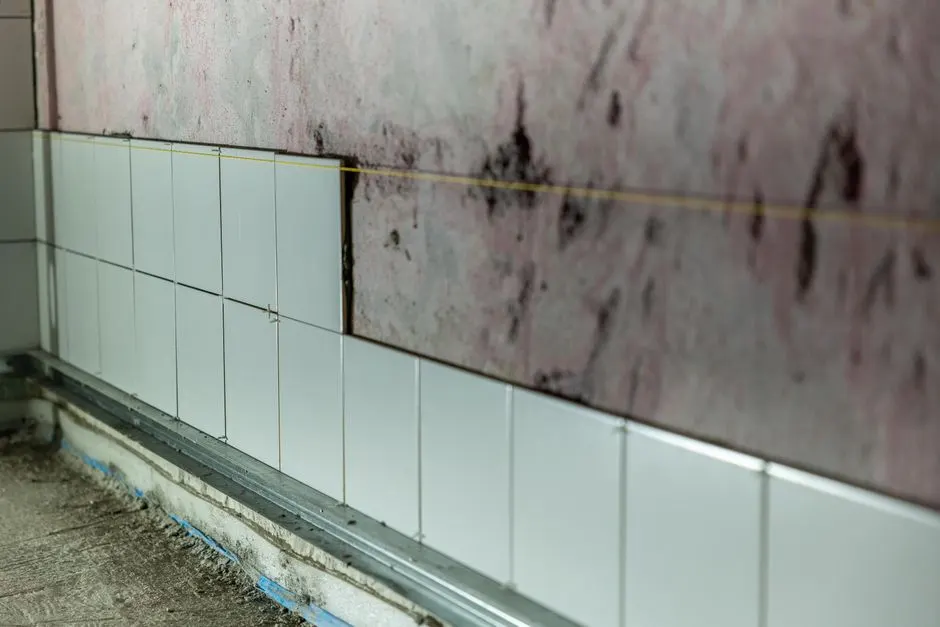
Mold comes back after water damage when the moisture source was never fully eliminated and the affected materials were not dried to below 16% moisture content within 24 to 48 hours. Stop mold after water damage Burien WA by extracting standing water immediately, drying structural cavities with commercial air movers and dehumidifiers, removing saturated porous materials, and correcting the leak or drainage problem that caused the water in the first place. This guide walks through each step, the Burien-specific moisture problems we see every week, and the mistakes that let mold return three weeks after you thought the job was done.
Why mold comes back after water damage
Mold returns after water damage because the first cleanup addressed the visible water, not the hidden moisture. Mold spores are already present in every Burien home - in dust, on framing lumber, in carpet fibers. They stay dormant until they hit three conditions: moisture above 60% relative humidity, a food source like drywall paper or wood, and temperatures between 40°F and 100°F. Burien's marine climate delivers the third condition year-round, so the only variable you control is moisture.
When a pipe bursts behind a kitchen wall or a washing machine supply line fails, water wicks into drywall, insulation, and the subfloor. You mop up the puddle and run a box fan for a day. The surface feels dry. But the paper facing on the drywall and the bottom plate of the wall framing stay damp for weeks. That is where mold colonizes - out of sight, behind the baseboard, under the vinyl plank. By the time you smell it, the colony is mature and releasing spores into your living space.
The fix is not a stronger cleaner. It is complete drying and source correction. Every time.
How long after water damage does mold grow in Burien Washington?
Mold growth in Burien Washington starts within 24 to 48 hours of water damage under typical indoor conditions of 65°F to 75°F and 50% to 70% relative humidity. In a closed-up house during a November rainstorm, we have found visible colonization in as little as 36 hours on drywall paper and oriented strand board.
That window is shorter than most homeowners expect. It is also why the first 48 hours matter more than the next two weeks. If you can get professional drying equipment running within a day of discovering the leak, you usually avoid remediation entirely. If the water sat for a long weekend, you are looking at cutting out drywall and treating framing.
Three variables speed up or slow down that timeline:
- Water category. Clean supply-line water gives you the full 48 hours. Sewage backup or floodwater from a storm drain introduces bacteria and mold spores immediately - that is a same-day call.
- Material type. Drywall, carpet, and insulation soak up water and hold it. Concrete and ceramic tile dry faster and resist mold longer.
- Air movement. A closed house with no airflow traps humidity. Running a dehumidifier and fans buys you time even before a crew arrives.
The drying window: what has to happen in the first 48 hours
The first 48 hours after water damage determine whether you are drying a house or remediating one. Here is the sequence that works, in order.
1. Stop the water and extract what is standing
Shut off the supply valve or call a plumber if you cannot find it. Then get the standing water out. A wet/dry shop vac handles small puddles; anything more than a half inch across a room needs a truck-mounted extractor. We run emergency mold removal Burien WA calls around the clock because every hour of standing water pushes the drying job deeper into the structure.
2. Pull up carpet and pad, and remove baseboards
Carpet pad is a sponge. It will not dry in place, and it will feed mold for weeks. Cut it out, bag it, and discard it. Baseboards trap water against the bottom plate of the wall - pull them, dry the wall cavity, and reinstall after the moisture meter reads dry.
3. Set up commercial drying equipment
Box fans from the hardware store move air but do not remove moisture from the air. You need refrigerant or desiccant dehumidifiers plus high-velocity air movers positioned to sweep the wet surfaces. A typical 12x14 bedroom with wet carpet and drywall needs two air movers and one dehumidifier running 3 to 5 days. We monitor moisture content daily and do not pull equipment until readings hold below 16% for 24 hours.
4. Verify with a moisture meter, not your hand
Drywall that feels dry to the touch can still read 20% moisture content at the base. A pin-type or pinless moisture meter tells you the truth. Check the drywall at the base of every wall, the subfloor near the leak, and the framing behind any removed baseboard.
Fixing the moisture source, not just the mold
Killing mold without fixing the water source guarantees it comes back. This is the single most common reason we get called to the same house twice. The mold is a symptom; the water is the disease.
In Burien, the moisture sources we find most often are:
- Slow supply-line leaks under kitchen and bathroom sinks that drip for months before the cabinet floor rots.
- Failed wax rings under toilets, which seep into the subfloor every flush.
- Clogged gutters and failed downspouts that dump roof water against the foundation instead of away from it.
- Crawl space ground moisture - Burien's high water table and our 36-plus inches of annual rain keep bare-earth crawl spaces at 80% to 95% relative humidity most of the year.
- Roof leaks around chimneys, vents, and aging flashing that show up as ceiling stains after the first big fall storm.
Each of these has a permanent fix. Gutters get cleaned and downspouts extended 6 feet from the foundation. Crawl spaces get a vapor barrier and a dehumidifier. Toilets get a new wax ring and a shimmed base. If you skip this step, you are paying for remediation twice.
Materials that hold moisture and need to go
Some materials cannot be saved after water damage, and trying to dry them in place is how mold wins. Porous materials that have been wet longer than 48 hours should be removed and replaced, not cleaned.
Remove and discard:
- Carpet and carpet pad
- Ceiling tiles and cellulose or fiberglass insulation that got wet
- Drywall that reads above 20% moisture content or shows any discoloration
- Oriented strand board and particleboard subfloor sections
- Cardboard, paper, and fabric stored in the affected area
Clean and keep, if dried within 48 hours:
- Solid wood framing and trim (surface-sand and treat)
- Concrete slabs and tile
- Metal, glass, and hard plastic
- Appliances with sealed motors, after inspection
When drywall has to come out, we handle the removal and the rebuild. Our drywall mold removal Burien WA crews cut back to clean material, treat the framing, and rehang and finish the wall so you are not coordinating three different contractors.
Common mistakes that let mold return
Most mold comebacks trace back to one of five mistakes. None of them are exotic. All of them are avoidable.
- Bleach on porous surfaces. Bleach kills surface mold on tile and glass. On drywall and wood, it does not penetrate the hyphae below the surface, and the water in the bleach adds moisture back to the material.
- Running a box fan and calling it dry. Air movement without dehumidification just spreads moisture around the room. You need to pull water vapor out of the air, not stir it.
- Skipping the moisture meter. If you did not measure, you do not know. Feeling dry is not dry.
- Painting over mold stains. Paint traps moisture against the drywall and hides the problem until the stain bleeds through six weeks later. Kill the mold, dry the substrate, then prime with a mold-resistant coating.
- Ignoring the crawl space. A damp crawl space pushes moisture up into the living space all winter. We see this constantly in Burien's older homes, and it is why crawl space encapsulation Burien WA is one of the most effective long-term mold prevention moves a homeowner can make.
When to call a professional
Call a professional when the water came from a sewage line or outdoor flooding, when the affected area is larger than about 10 square feet, when you can smell a musty odor but cannot see the mold, or when the water sat for more than 48 hours before you found it. Those four situations almost always mean hidden moisture in wall cavities or under flooring that a shop vac and a fan cannot reach.
We also get called when a homeowner has already tried DIY cleanup and the smell returns. That is usually a sign the colony is inside the wall or under the floor, and the only fix is to open the cavity, remove the affected material, and treat the framing. Our team handles the whole sequence - inspection, containment, removal, antimicrobial treatment, and rebuild - so you are not managing four different trades. If you want a baseline before committing to anything, start with mold inspection and testing Burien WA and we will tell you exactly what is there and what it will take to remove it.
Frequently Asked Questions
How to prevent mold after water damage in Burien WA?
Extract standing water within a few hours, remove wet carpet and pad, run dehumidifiers and air movers for 3 to 5 days, and verify moisture content below 16% with a meter before you rebuild. Fix the leak or drainage issue that caused the water. Burien's humidity means you cannot skip the drying step and hope for the best.
How long after water damage does mold grow in Burien Washington?
Mold can start growing within 24 to 48 hours. In a closed Burien house during fall or winter, we have seen visible colonization in as little as 36 hours on drywall paper and OSB. The clock starts when the water contacts the material, not when you notice the stain.
Does water damage always cause mold in Burien WA?
No. If the water is clean, the affected area is small, and drying starts within 24 hours, most homes avoid mold entirely. Water damage causes mold when the source is sewage or floodwater, when materials stay wet longer than 48 hours, or when the moisture is hidden inside a wall or under flooring.
Who handles mold after water damage in Burien?
A mold remediation company handles it - not a general cleaning service. The work involves moisture mapping, containment, HEPA filtration, removal of affected materials, antimicrobial treatment, and rebuild. We do all of it in-house at MoldGuard Remediation, which means one crew from extraction through final paint.
Can I stop mold myself after water damage in Burien?
Yes, if the area is under about 10 square feet, the water was clean, and you start within 24 hours. You will need a wet/dry vac, a dehumidifier, air movers, and a moisture meter. If the water was sewage or floodwater, if the area is larger, or if you smell musty odor with no visible mold, call a pro.
Get help with Mold Remediation in Burien
MoldGuard Remediation handles the full job for Burien homeowners - water extraction, structural drying, mold removal, and the rebuild - so you are not chasing three contractors while your walls stay wet. We serve Burien, White Center, Normandy Park, SeaTac, and the surrounding Highline area, and we answer emergency calls 24/7.
Call 1112222333 and we will get a crew to your door, find the moisture, and stop the mold from coming back.